

It’s been a busy nine months at FAS Learning CIC. We’ve been so busy in the doing that we’ve neglected to update folks on what’s been happening. So here it is – a slightly delayed but full on update!
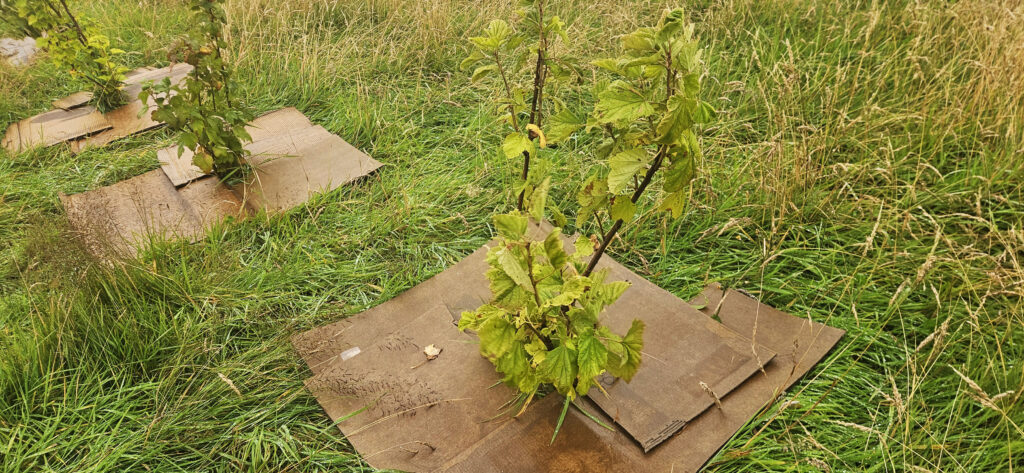
The first thing to note is that we purchase a shed load of fruit trees and fruit bushes in early 2026. That mean a mad rush to get them in the ground. We dug up sods, turned them over and put them back the hole. We then split the sods four ways to create a central void for the root ball to sit in and be supported and filled the rest with compost. Then we sheet mulched around the bushes with brown cardboard – we have a whole shed full of the stuff now – to kill off growth around the plant, retain moisture and give the plant back some nitrogen.
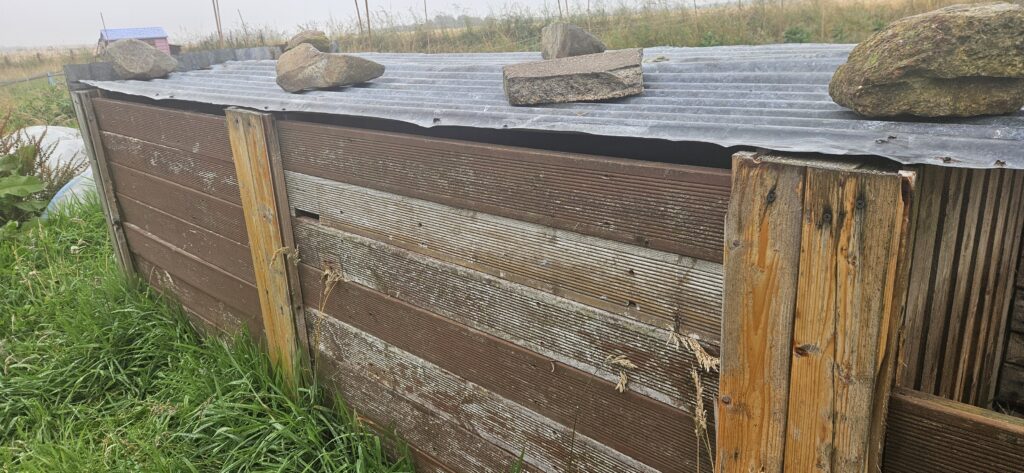
One other task we completed was to build our three bay compost system. We used recycled pallets and other recycled wood and they did some joinery to create a slatting structure that allows us to easily get in to the compost without having to remove the complete front. We completed the build by using some recycled tin corrugated sheets to stop too much moisture getting in. The system was built next to our market garden to minimise the distance of travel from there to where the compost is needed. The top bay is where we initially put our materials in layers of green and brown materials. Then we transfer to the second bay when the composting has started and turn it on a weekly basis. Then when the compost is ready we move to bay 3 to do the final drying off before we seive. We use lots of home made wood chip, food scraps and grass clippings from the site. No materials are imported and all equipment used to cut and chip uses green electricity – no fossil fuel inputs!
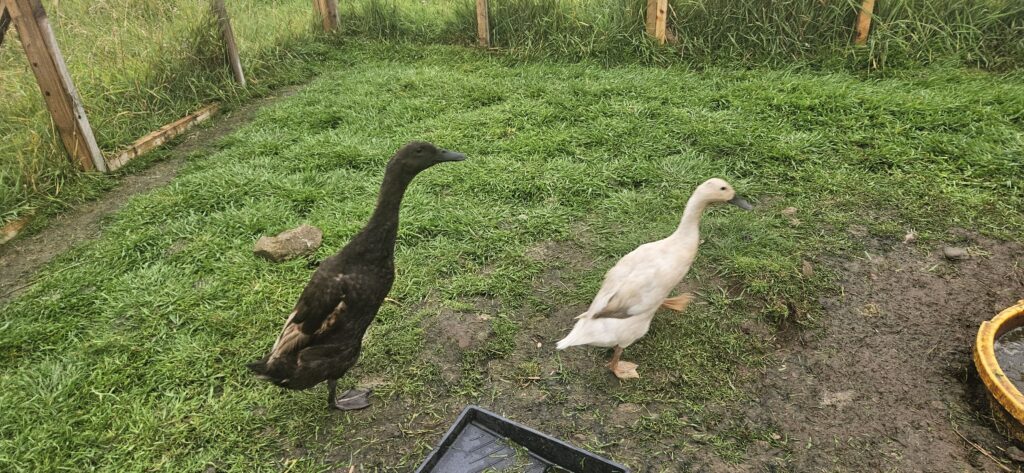
We were fortunate to be gifted some indian runner ducks by one of our fellow cultivators collective members. Unfortunately some of them escaped and decided to live elsewhere, but we managed to keep a couple and here’s a picture of Count Duckula and Grace. Two lovely ducks who are full of character and extremely friendly. They’re magnificent snail and slug finders rooting around and chomping through a load every day. The eggs are super for cake making too!
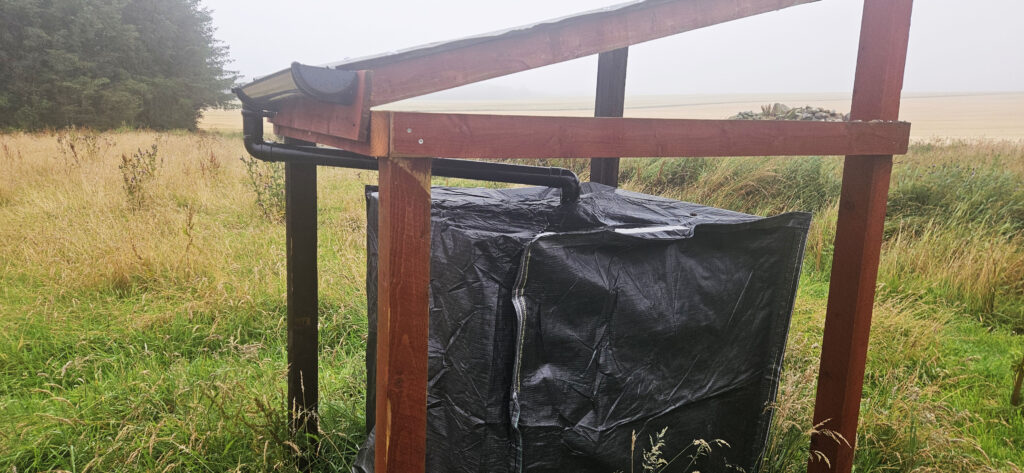
In the middle of the year we started on our integrated rainwater collection system. This is stage one. Where we’ve put up a roof and piped directly into an IBC tank. The goal is to have mechanical automatic watering system that also incorporates excess water from the duck pond. It will also act as emergency drinking water should drought occur – we have a filtration and purification system that is all natural designed and ready to build.
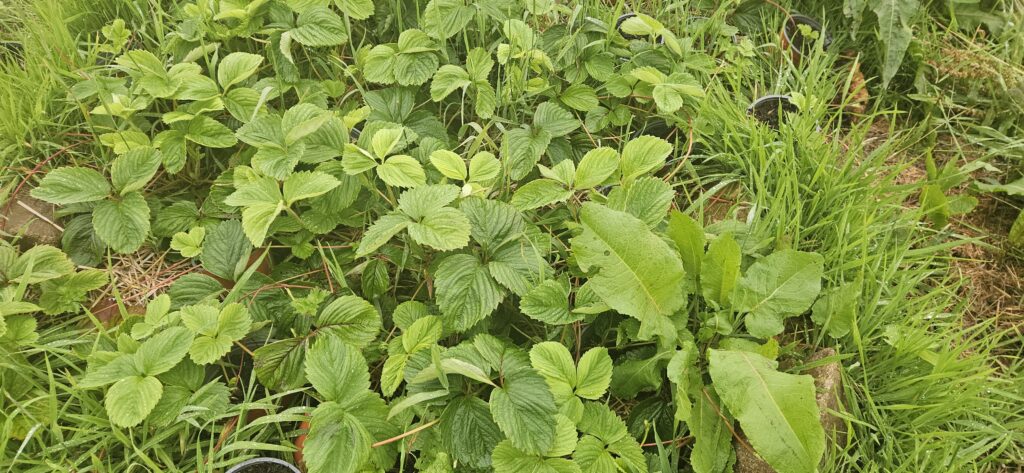
Now for some of our planting. We planted 12 plants in a smallish patch and as this is their first year, we were expecting not much cropping but got a bunch of super tasty strawberries. We’ve subsequently rooted lots of the runners and it looks like we’ll be able to quadruple the size of our patch next season which bodes well for future crops.
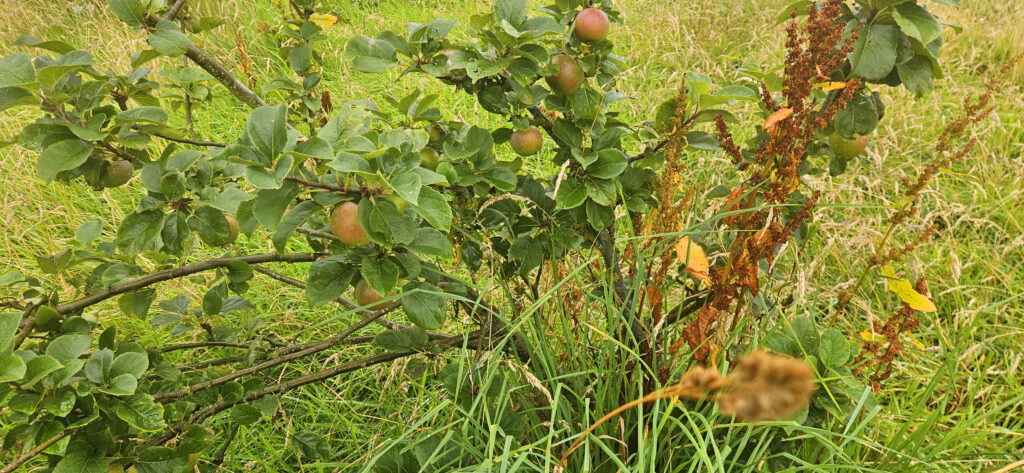
This is one of the four apple trees we planted this year. It really needs training a little as the weight of this years apples are pulling some of the branches to the ground. Every apple tree we planted has a crop, which is great for our first year with them. We plan on making apple juice, cider and also drying for making apple crisps.
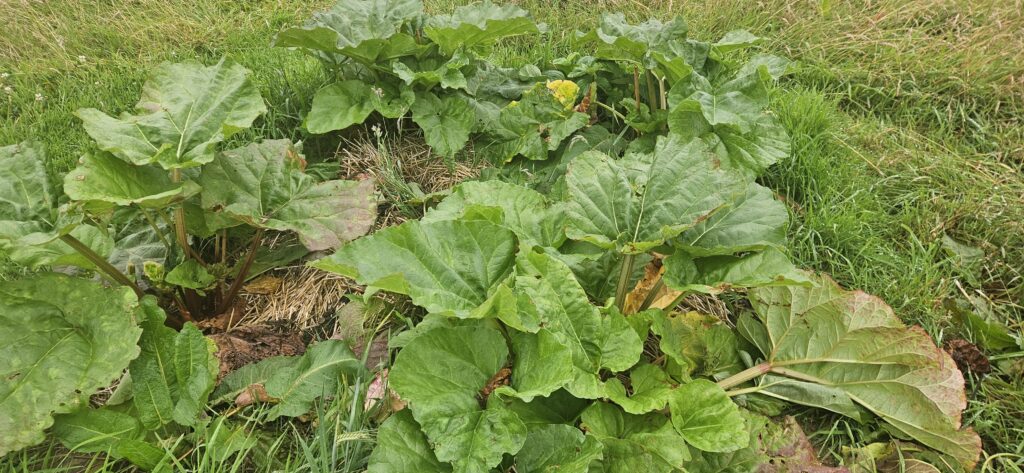
Our initial rhubarb patch is pretty small with just four plants. When we put them in the ground we thought we’d killed them off straight away as the week after that we had some hard frosts and all the leaves on the little plants died off. But as soon as the warm weather came they resprouted and have produced HUGE stalks. Some of which we’ve made crumble from and the rest we plan to freeze and made rhubarb beer with.
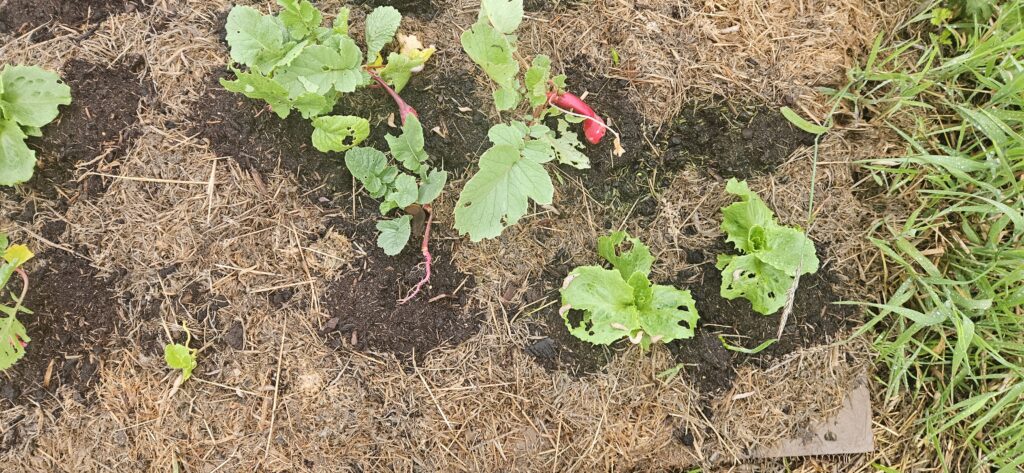
Although the plants aren’t doing so well here, this is one example of our utilising the bricks and mortar method of planting seedlings. It essentially goes like this. Place your sheet mulch down the week before, then your fiberous materials (Straw or gras clippings) to a few inches deep. Then put in lines of compost and plant your seedlings in the compost. The lines of compost look like the mortar on a brick wall – hence the name. We’ve found this method works well, but takes longer. It means your plants get away without weeds. And when the weeds do come your plants are already established. As we’re no dig and no weed then the extra time used at the start of growing saves much more in terms of weeding.
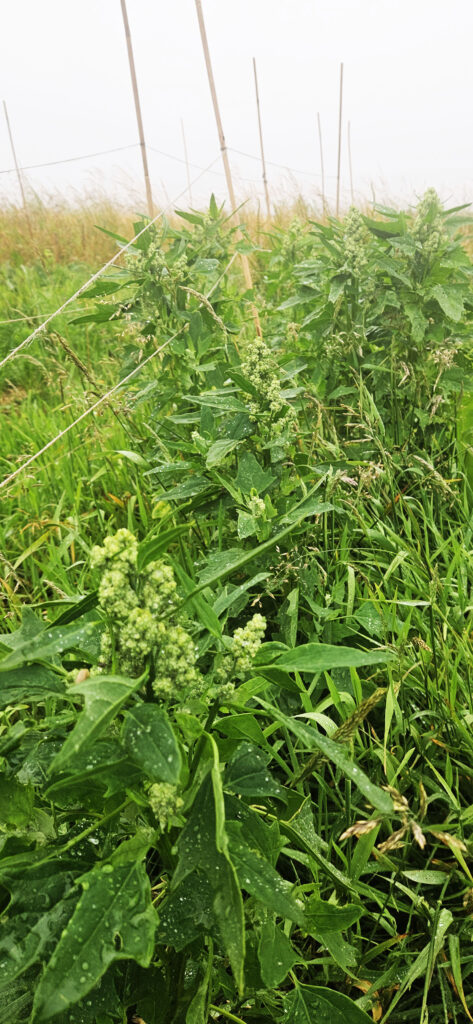
This is some of the quinoa we’ve been growing to see if we can make it work. We’ve grown them on the west coast previously, so in the north east we were wondering if it woudl be possible. At the stage in the photograph it’s probably about two to three weeks away from cropping, but we’ve been really encouraged that it managed to get to this stage.
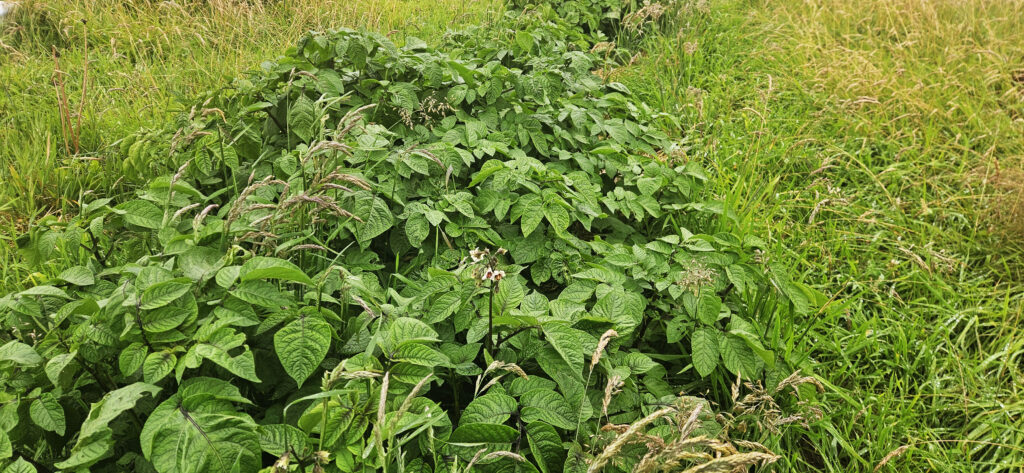
Tatties did really well last year, and this year they’ve done even better! We moved beds for them as we’re rotating cropss and this bed was a brand new one. We had the chicken tractor on it for a few weeks, then we mulched with cardboard and straw, before we plonked the seed potatoes (We cut larger potatoes in to multiple pieces to increase the number of plants) under the straw on the carboard. We had a few that disappeared due to some rodents, but most stayed in place and early summer they started to appear above the straw. Kids love digging for tatties and this variety is purple skinned and purple fleshed.
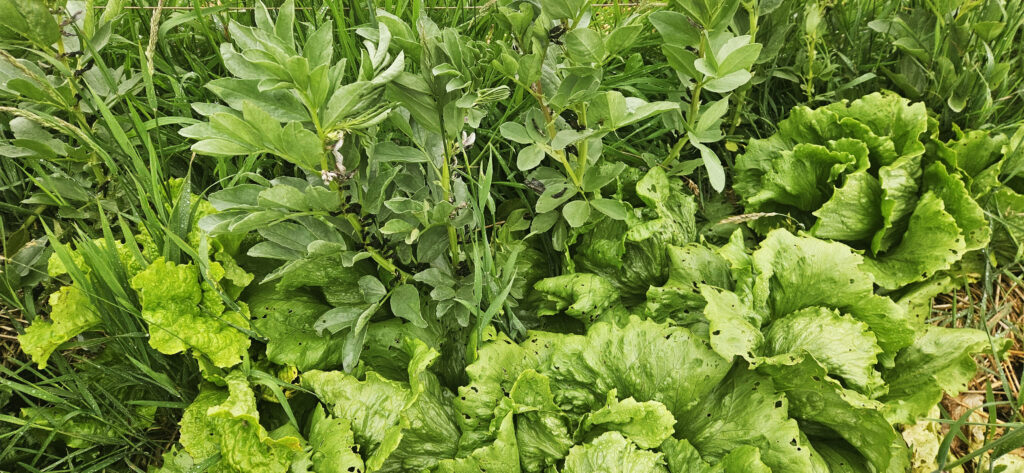
This is a picture example of how compact we plant our beds. These are beans and salad lettuce on the same bed. Maximising the use of the but also protecting each other. We try and get four different crops on each bed to maximise the benefits.
All and all 2026 has been a busy, busy year. We’ve also secure another grant for more fruit trees and fruit bushes. We’ve maintained around 200 trees by cutting growth around the base of them and mulching with grass – some with cardboard.
The rest of this year we’re concentrating on three things
- Getting funding for our big polytunnel
- Automating our watering system
- Creating micro-climates for climate extremes.
Thanks for reading!

